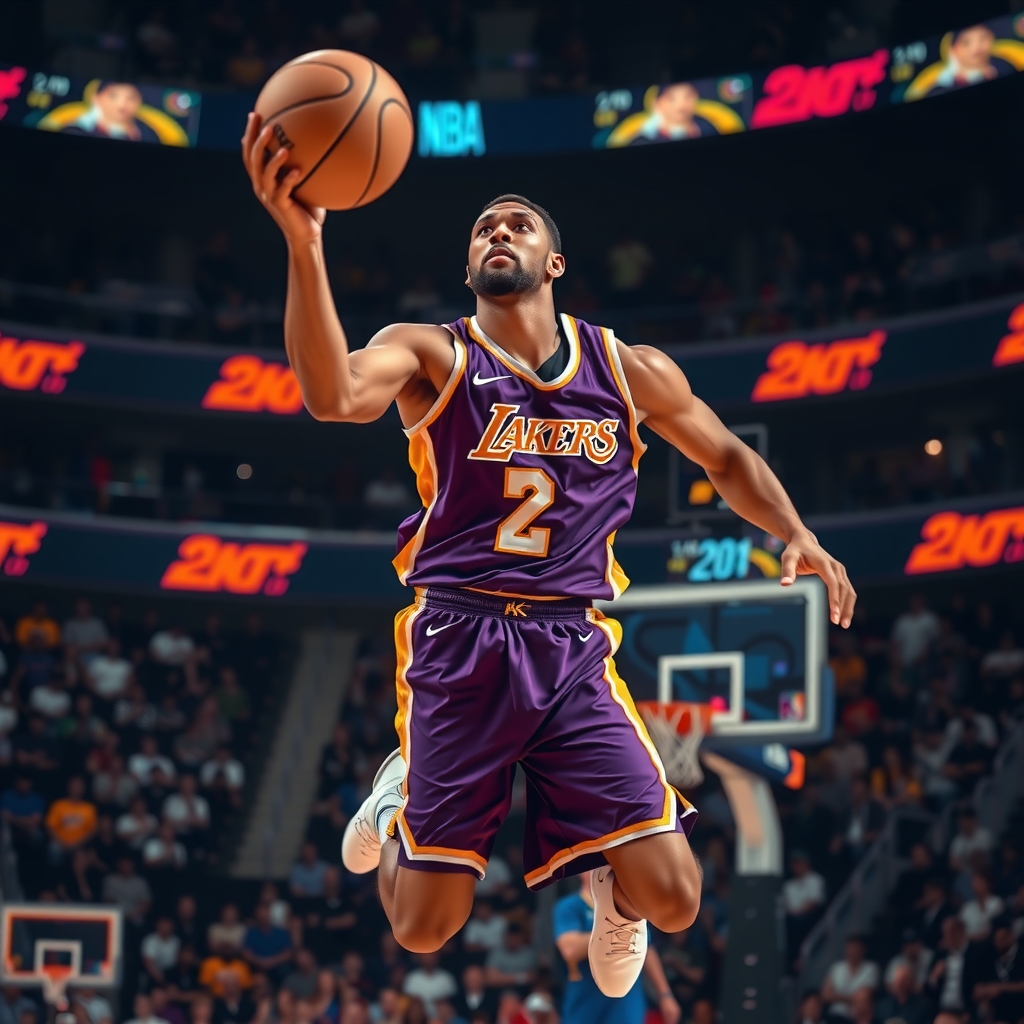
Train Like A Baller — Athlete Profile
Kobe Bryant
The Black Mamba didn't just outwork his opponents — he outworked his past self. Every single day. Before the sun rose.
Athlete Bio & Legacy
The Man Behind The Mamba
Kobe Bryant spent 20 seasons with the Los Angeles Lakers, becoming one of the most decorated and studied athletes in sports history. His legacy isn't just about championships or scoring titles — it's about an approach to preparation that redefined what dedication looks like at the highest level.
From studying the mechanics of Michael Jordan to building his own system of footwork and mental conditioning, Kobe turned his body into a laboratory. He read books on philosophy, studied samurai discipline, and applied principles from outside basketball to his craft. The Mamba Mentality became a global framework — not just for athletes, but for anyone committed to mastery. Explore how he stacks up against other all-time greats in the Hall of Champions.
Philosophy
Mamba Mentality
Mamba Mentality isn't about being the best. It's about the relentless pursuit of being better. Kobe codified his approach into a set of principles that govern preparation, competition, and recovery. See how this philosophy inspired a generation at Inspire — Kobe's 4AM Protocol.
-
01Obsessive Curiosity
Kobe studied opponents not to react — but to anticipate. He catalogued tendencies, angles, and habits until each matchup felt pre-solved before tip-off.
-
02Process Over Outcome
Championships were a byproduct. The focus was always on the process: the rep, the footwork, the angle of the jump shot at rep 800 of a session.
-
03Fearless Failure
Kobe failed — and documented why. Each missed shot in practice was data. He restructured his training around discovered weaknesses, not confirmed strengths.
-
04Controlled Aggression
Intensity without intelligence burns out. Kobe harnessed competitive fury with surgical discipline — knowing when to attack and when to set up the next move.
-
05Daily Accountability
There were no off days in philosophy — only lighter days in volume. The mindset stayed locked regardless of the schedule. Standards didn't flex for circumstances.
-
06Legacy Over Legacy
He trained not just to be remembered, but to leave a system behind — so future players could inherit a framework for excellence, not just highlight reels.
Daily Schedule
The 4AM Routine
While the world slept, Kobe was already on the court or in the weight room. His pre-dawn routine became legendary — not as a stunt, but as a genuine competitive strategy. Starting before opponents meant logging thousands of extra practice hours across a career. This aligns with what we cover in how pros structure their day.
-
4:00 AMWake. Cold water. Brief mindfulness — no phone, no noise. Set the intention for the session ahead.
-
4:30 AMArrive at the facility. Full dynamic warm-up — hip mobility, ankle circles, band work, movement prep.
-
5:00 AMSkill work: 500–800 mid-range jump shots with deliberate focus on footwork positioning and release point.
-
6:30 AMStrength & conditioning: Olympic lifts, core stability, targeted lower-body power work.
-
8:00 AMFilm review and journaling — logging what worked, what didn't, and what to isolate tomorrow.
-
9:00 AMBreakfast and recovery protocols: contrast showers, stretching, soft tissue work.
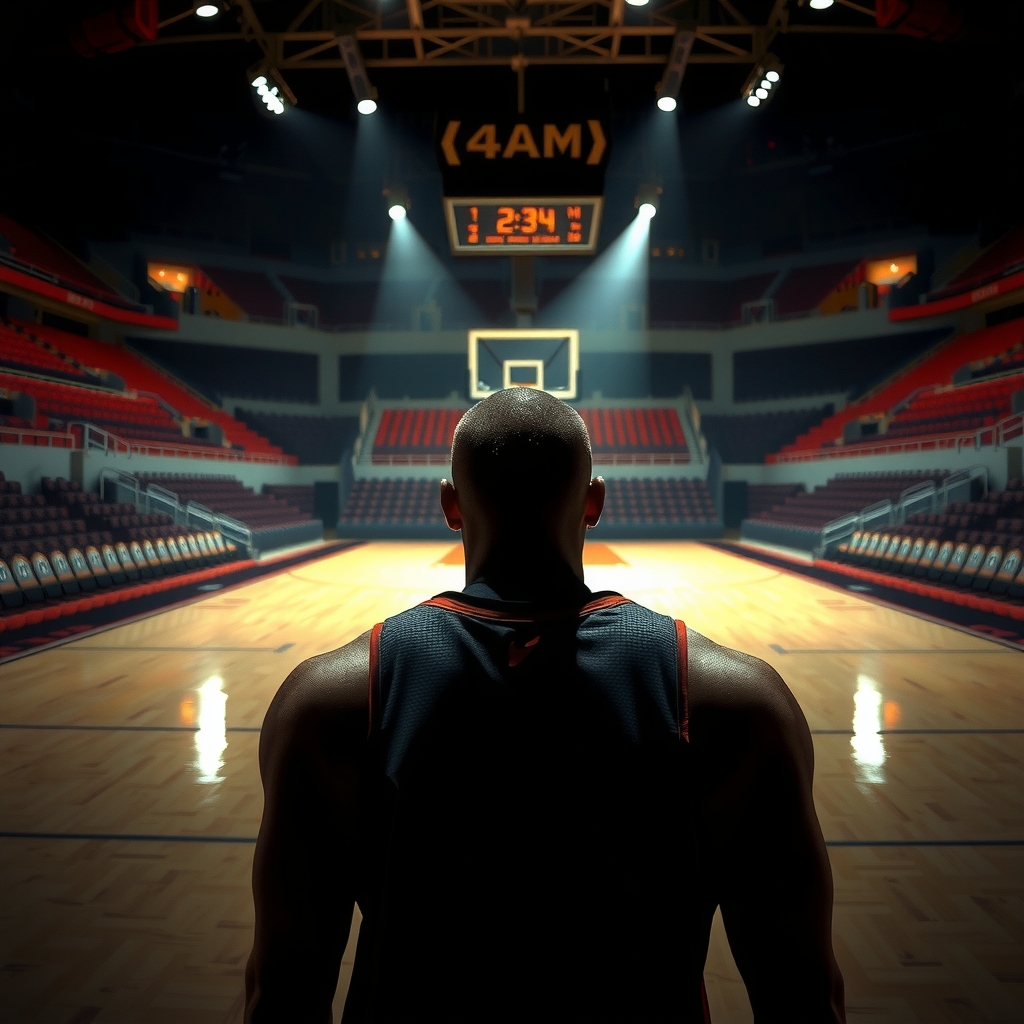
"The most important thing is to try and inspire people so that they can be great in whatever they want to do."— Kobe Bryant
Court Work
Footwork & Shooting Drills
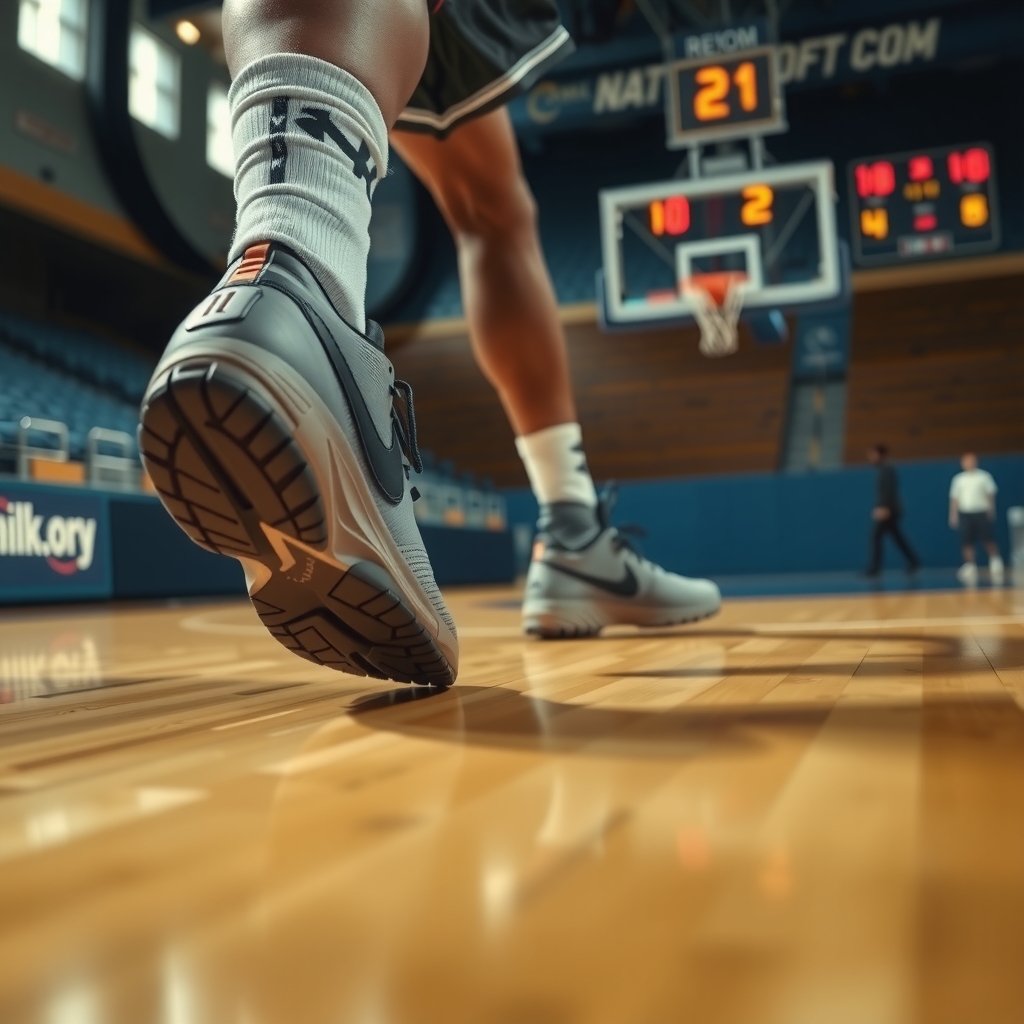
Kobe's footwork was an art form built through relentless repetition. He borrowed from Hakeem Olajuwon's post footwork, blended in European technique from his childhood in Italy, and layered his own innovations. These are the core drills he returned to week after week. Pair these with Curry's shooting mechanics for a complete guard arsenal.
Post entry, jab-step to freeze the defender, pivot through contact, and finish with a running hook or fadeaway. 200 reps daily split across both shoulders.
Catch on the wing, one dribble pull-up using the backboard as the target. Builds repeatable muscle memory for the most efficient shot in basketball.
Drive baseline, plant hard, skip the defender with a lateral gather, and finish opposite hand. Alternating sides until both feel equally natural.
Jab hard toward the defender's lead foot, read their weight shift, cross through and rise immediately into a balanced pull-up jumper.
Establish low post position, feel the defender's hip, spin or drop-step to create space, and fade away from their outstretched hand into a controlled release.
Full-speed sprint to corner, immediate catch and release without a settling dribble. Trains readiness and removes hesitation from the catch-to-shoot sequence.

Weight Room
Built For 48 Minutes
Kobe's strength program evolved dramatically across his career — particularly after injuries forced him to rebuild from the ground up. His later-career training emphasized movement quality, stability, and longevity over raw strength metrics. Compare with how LeBron structures his weekly strength work.
-
Power Cleans 3 sets × 5 reps — explosive hip extension translating to vertical leap and first-step quickness.
-
Bulgarian Split Squat 4 sets × 8 each leg — unilateral leg strength for stop-start movements and lateral cuts.
-
Nordic Hamstring Curls 3 sets × 6 — injury prevention and posterior chain resilience for explosive acceleration.
-
Pallof Press 3 sets × 12 each side — anti-rotation core stability essential for absorbing contact in the post.
-
Single-Leg RDL 3 sets × 10 — balance, hip hinge strength, and ankle proprioception for landing mechanics.
-
Cable Rotational Press 3 sets × 12 — mimics the rotational demand of pulling up, posting, and finishing through contact.
The Sixth Gear
Mental Conditioning
Physical preparation without mental training is incomplete. Kobe invested in sports psychology, mindfulness, and visualization as seriously as his shooting repetitions. His mental conditioning framework is explored further in The 6th Gear — Your Mind.
30–45 minutes before tip-off, Kobe mentally rehearsed specific plays — not generally, but with precise defenders, specific angles, and particular responses to defensive adjustments. Mental reps counted.
Each off-season, he wrote down what he feared losing — athleticism, shooting touch, explosiveness — and built his training plan around protecting those assets before they declined.
Win or loss, the journal opened. Patterns got named, performance got graded, and priorities for tomorrow got set before sleep. No vague feelings — only specific observations.
Kobe worked with mental performance coaches on breath control and present-moment focus — enabling him to reset between possessions rather than carry forward the emotional weight of a bad play.
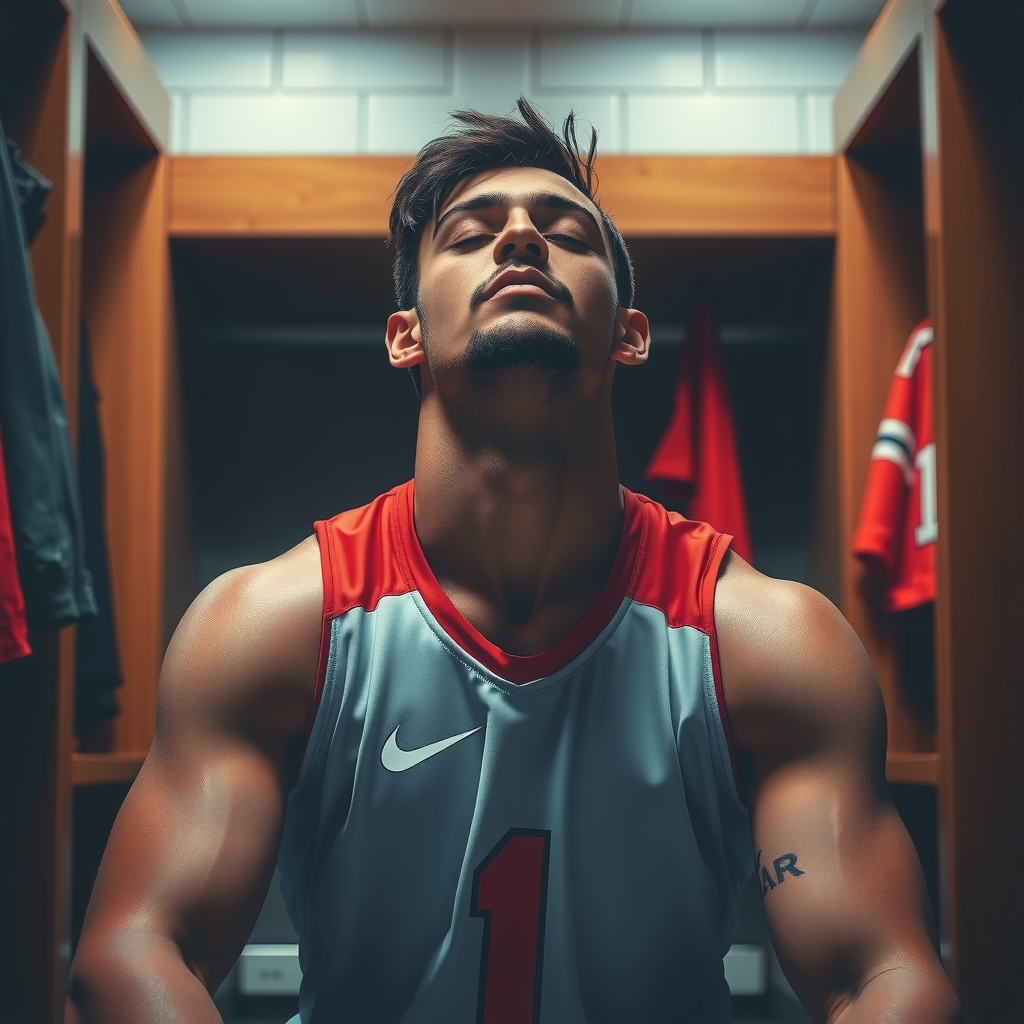
"Everything negative — pressure, challenges — is all an opportunity for me to rise."— Kobe Bryant
Train Like The Black Mamba
The 4AM alarm is optional. The mindset is not. Explore training plans, elite athlete profiles, and the science behind becoming your best.