Train Like A Baller
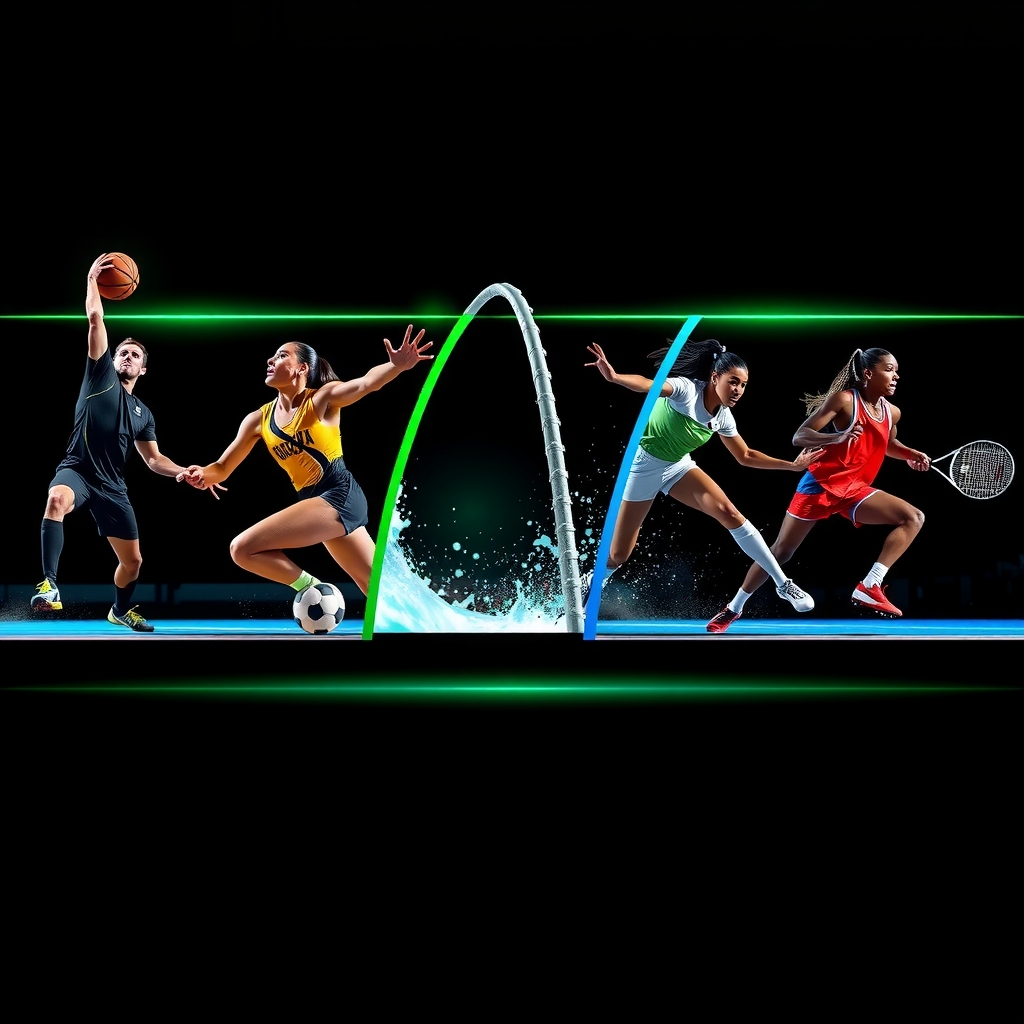
Dynamic hero showing many sports at once

Sports Hub —
Pick Your Game

Every sport has its own science. Explore basketball, soccer, gymnastics, swimming, and more — then dive into the athletes and training plans that define each one.

⚡ 10+ Sports · Elite Athlete Data · Real Training Plans

Choose Your Arena

Tap any sport to explore the elite athletes who dominate it and the training methods that got them there.

Why Training Differs By Sport

Your sport's demands shape everything — from how you eat to how you sleep to which muscles you train hardest.

Energy Systems

Sprinters rely on phosphocreatine and glycolytic systems. Marathon runners are aerobic engine builders. A basketball player needs both — in 40 seconds of all-out burst.

🦴

Movement Patterns

Gymnasts train multi-planar body control. Swimmers drill bilateral symmetry. A quarterback's rotational mechanics demand completely different joint prep than a high jumper's.

🧠

Cognitive Load

Tennis players process incoming ball data in under 400ms. Baseball batters read pitch spin in milliseconds. Cognitive training is as sport-specific as physical conditioning.

🍽️

Nutrition Protocols

A swimmer doing two-a-days may need 6,000+ calories. A rhythmic gymnast manages power at low body mass. Fueling strategy is built around the sport's metabolic demands.

🔁

Recovery Timelines

Contact sports demand tissue repair between games. Endurance athletes prioritize glycogen repletion. The recovery protocol that works for a football lineman will break a marathon runner.

📅

Season Structure

Basketball has an 82-game regular season. Olympic gymnasts peak once every four years. The macrocycle — how you structure months and years of training — changes everything.

Stats That Hit Different

Real numbers from real athletic performance research. This is what elite looks like.

7–9 Miles per soccer match

average elite field player

40in Vertical jump record (NBA)

elite combine testing

6,000+ Calories burned by swimmers

two-a-day training sessions

400ms Tennis player's reaction window

incoming serve processing


You Picked
Your Sport.
Now Train It.

Head to the Athletes directory or jump straight into sport-specific training plans built around real elite performance data.

Frequently asked questions

What sports are covered on the Sports Hub?
The Sports Hub currently covers basketball, soccer, gymnastics, swimming, track and field, tennis, football, baseball, volleyball, and MMA — more than 10 sports in total. Additional sports are listed as coming soon. Each sport links to elite athlete profiles and sport-specific training plans built around real performance data.
Why does training need to differ from sport to sport?
Each sport places unique demands on energy systems, movement patterns, cognitive load, nutrition, recovery, and season structure. For example, a sprinter relies on phosphocreatine and glycolytic systems, while a marathon runner builds aerobic capacity. Using a recovery protocol designed for a football lineman could actually harm a marathon runner's performance.
How many calories might a swimmer burn during two-a-day training sessions?
Swimmers doing two-a-day training sessions may burn 6,000 or more calories. The site notes that fueling strategy must be built around a sport's specific metabolic demands, meaning a rhythmic gymnast managing power at low body mass would follow a completely different nutrition protocol than a high-volume swimmer.
How fast do tennis players and baseball batters need to react in their sports?
Tennis players must process incoming ball data in under 400 milliseconds when receiving a serve. Baseball batters read pitch spin in milliseconds. The Sports Hub highlights that cognitive training is just as sport-specific as physical conditioning, and both examples illustrate how elite athletes train their reaction speed alongside physical skills.
How does season structure affect how athletes train?
Season structure dramatically shapes a training macrocycle — the long-term plan covering months and years. Basketball players navigate an 82-game regular season, requiring consistent performance maintenance. Olympic gymnasts, by contrast, peak once every four years. The site emphasizes that structuring training around these timelines is essential to reaching peak performance at the right moment.

Upgrade this site

Describe what you want — Pillar will plan, build, and deploy it.