Daily, Weekly
& Seasonal
How elite athletes build their bodies, minds, and schedules — broken down into science-backed, bite-sized pieces you can actually use.
How Pros Structure Their Day
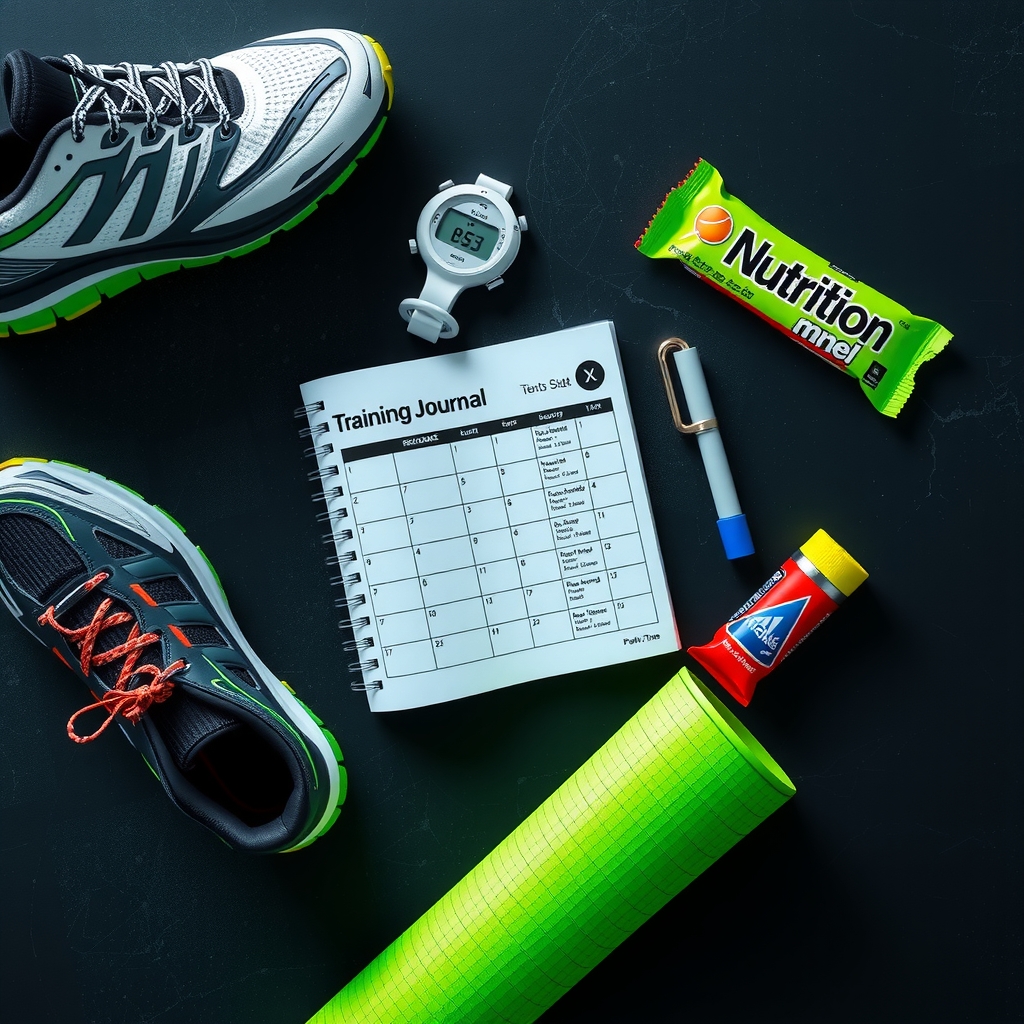
Morning Activation — Light mobility, foam rolling, and CNS priming. Hydration first. Elite athletes rarely skip this window.
Primary Training Session — Sport-specific skill work or strength block. Peak neuromuscular output occurs 3–6 hrs after waking.
Recovery Window — Contrast showers, nutrition refuel, light stretching. The work doesn't stop — it consolidates.
Secondary Session — Tactical film study, conditioning, or supplementary lifts. Many pros log 2-a-days during pre-season.
Sleep Protocol — 8–10 hrs targeted. LeBron James famously sleeps 10–12 hrs daily. Growth hormone peaks in deep sleep stages.
Weekly Training Breakdown
A sample elite athlete in-season training week — adapted across sports by intensity and phase.
| Day | Focus | Intensity | Duration |
|---|---|---|---|
| Monday | Strength + Power | High | 90 min |
| Tuesday | Sport-Specific Skills | High | 2 hrs |
| Wednesday | Active Recovery + Mobility | Low | 45 min |
| Thursday | Conditioning + Tactical | Medium | 90 min |
| Friday | Speed + Agility Drills | High | 75 min |
| Saturday | Full Team / Competition Sim | Medium | 2 hrs |
| Sunday | Rest / Mental Recovery | Rest | — |
* This is an illustrative framework based on published training research, not any individual athlete's personal plan.
The Year-Round Cycle Explained
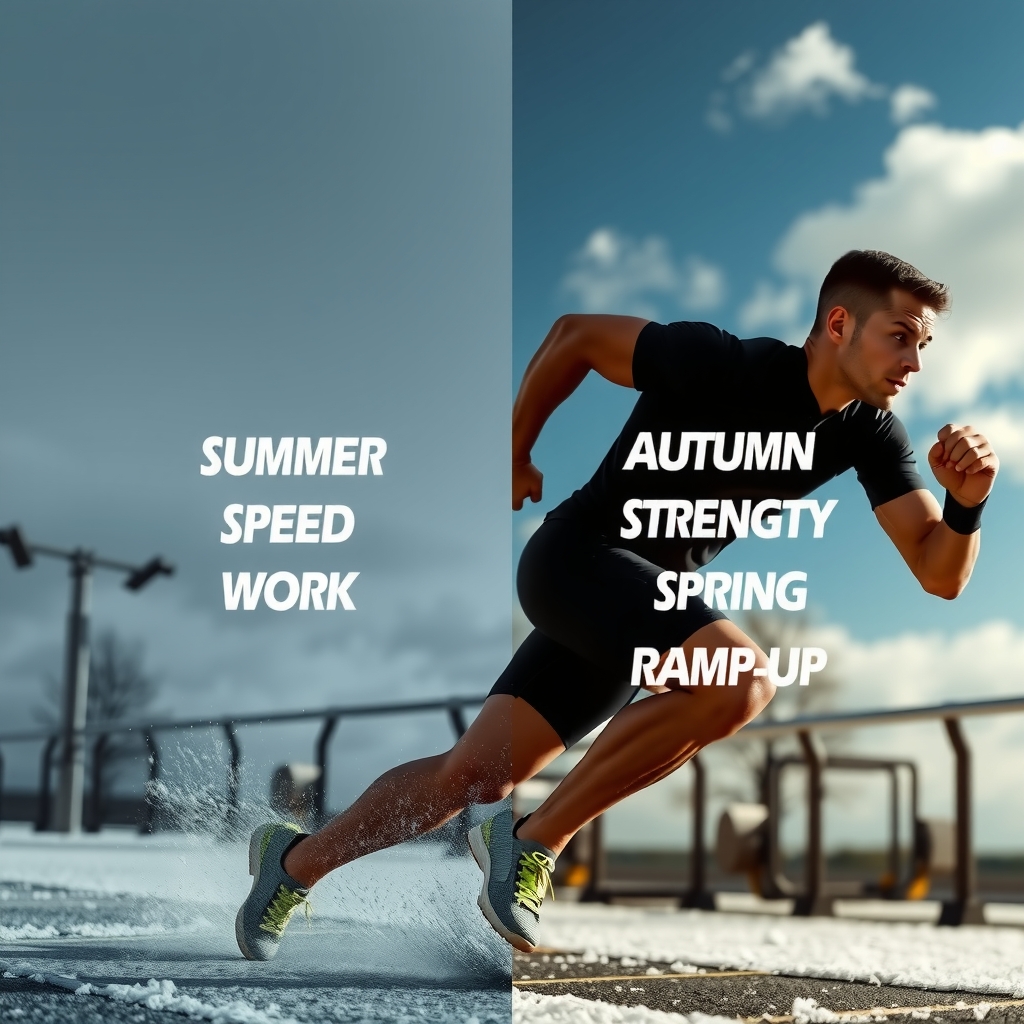
Periodization is the systematic planning of training loads across a season. The goal: peak at competition, not in practice.
Off-Season
Base building. High volume, low sport specificity. Repair and rebuild. Weeks 1–8.
Pre-Season
Intensity rises. Sport-specific drills. Peak strength load. Weeks 9–16.
In-Season
Maintenance focus. Lower volume, higher intensity. Performance priority.
Post-Season
Active rest. Mental detox. Light movement. 2–4 weeks minimum.
You Can't Out-Train a Bad Diet
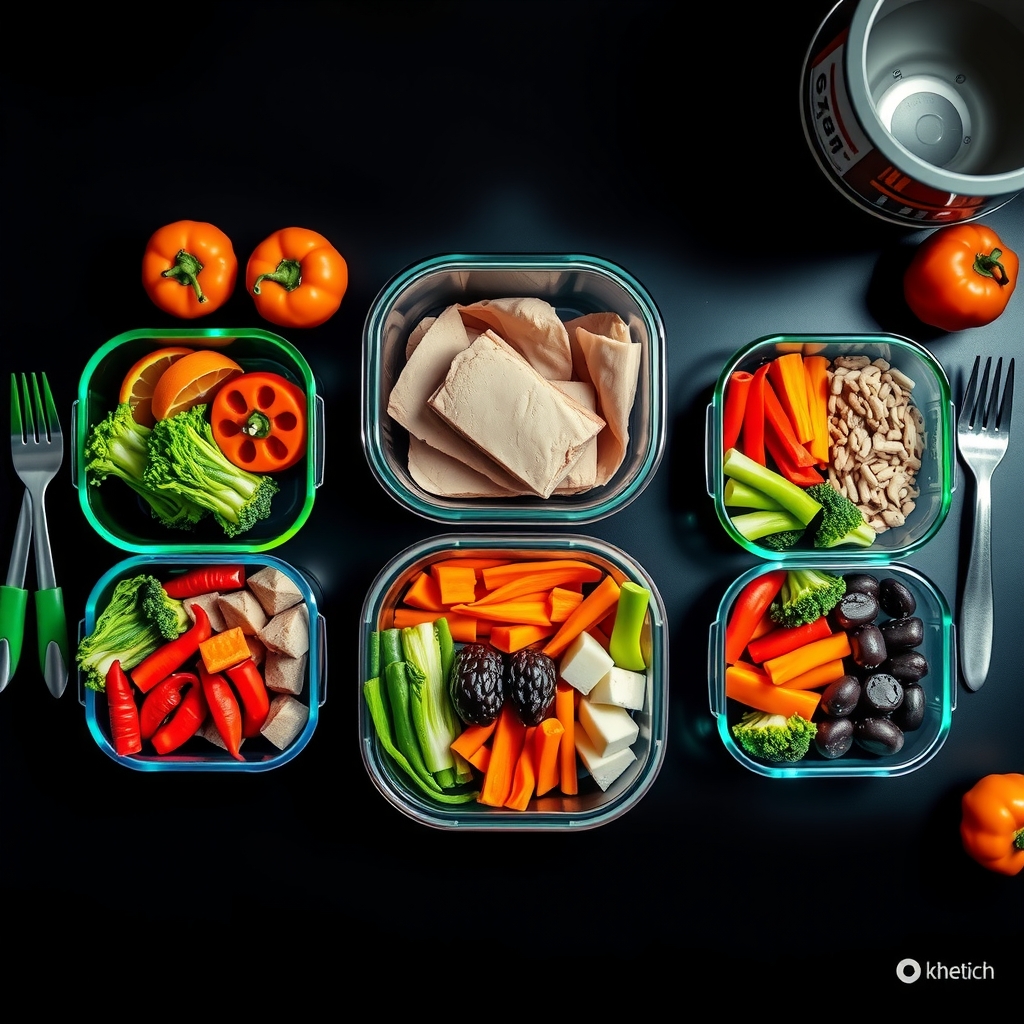
- Elite athletes consume 3,000–8,000+ calories daily depending on sport and phase.
- Carbohydrate timing around sessions (30–60g pre + post) significantly impacts power output and recovery speed.
- Hydration: Even 2% body weight loss from sweat impairs cognitive and physical performance measurably.
- Protein targets for strength athletes: 1.6–2.2g per kg of body weight per day (ISSN, 2017).

Recovery IS Training
- Sleep deprivation below 6 hrs reduces reaction time comparably to legal intoxication limits (Walker, 2017).
- Cold water immersion (10–15°C, 10–15 min) reduces DOMS markers up to 20% in team sport athletes.
- Heart Rate Variability (HRV) is the top biometric used by pro teams to gauge daily recovery readiness.
- Stanford study: Basketball players who extended sleep to 10 hrs improved sprint times and shot accuracy measurably.
The 6th Gear: Your Mind
Top sport psychologists say mental skills are trainable — just like physical ones. Here's what elite programs actually use:
Visualization
Mental rehearsal activates the same motor pathways as physical reps. Olympic sprinters visualize entire races in real-time before competing.
Pressure Inoculation
Training under artificially stressful conditions (noise, stakes, fatigue) builds tolerance so competition feels familiar, not overwhelming.
Self-Talk Scripting
Research shows positive instructional self-talk improves technique execution. Elite athletes script their internal dialogue ahead of performance.
Breath Control
Box breathing (4-4-4-4) activates the parasympathetic system within 60–90 seconds — used pre-play by NFL quarterbacks and shooters worldwide.
Focus Anchoring
Using a physical cue (bounce a ball, adjust gloves) to trigger a pre-performance state. Anchors interrupt distraction and reset concentration.
Goal Layering
Outcome goals (win), performance goals (accuracy %), and process goals (footwork) stacked together keep athletes motivated at every level.
Research Behind the Reps
- Bompa, T. & Buzzichelli, C. (2019). Periodization: Theory and Methodology of Training. Human Kinetics.]
- Jäger, R. et al. (2017). International Society of Sports Nutrition Position Stand: Protein and Exercise. JISSN, 14(20).]
- Walker, M. (2017). Why We Sleep. Scribner. [Sleep & athletic performance chapters.]
- Mah, C. et al. (2011). The Effects of Sleep Extension on Athletic Performance. SLEEP, 34(7), 943–950. [Stanford Basketball study.]
- Halson, S.L. (2014). Sleep in Elite Athletes and Nutritional Interventions to Enhance Sleep. Sports Medicine, 44(S1).]
- González-Badillo, J.J. et al. (2016). Submaximal repetition performance linked to velocity in strength training. JSCR.]
- NSCA (National Strength and Conditioning Association). Nutrition Fundamentals for Athletic Performance. Official Guidelines, 2022.]
- Hardy, J. (2006). Speaking clearly: A critical review of the self-talk literature. Psychology of Sport and Exercise, 7(1).]
Find Your Athlete
Discover the exact training DNA of the pros who dominate your sport. Pick your game, study the players, and start building your blueprint.
Explore Every Athlete →